
Right Whale News. 2012.
20:5-6
More details
Collapse details
Date Published:
Publication:Ocean:Region:Species:Methods:
- April 1, 2012
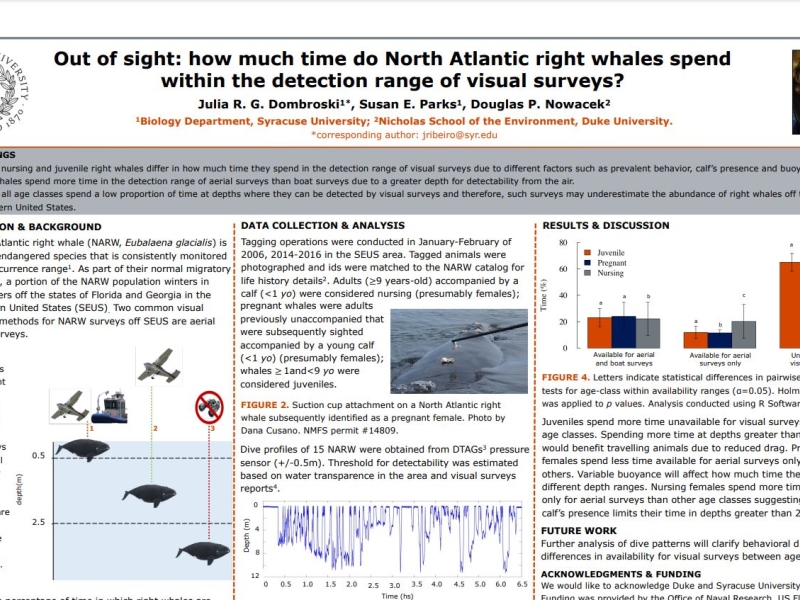
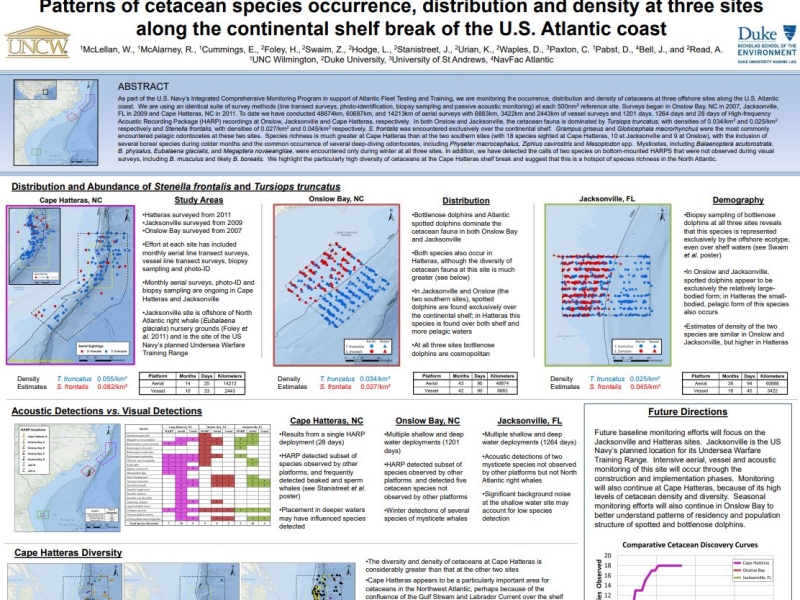
In response to permit requirements, the Navy has funded a series of surveys to be conducted off the US Atlantic coast to monitor protected species distribution. One of these survey efforts off Jacksonville, Florida, has recently finished three years of effort. The surveys have been conducted on a monthly basis year round since 2009 and include aerial, vessel and acoustic monitoring. Surveys will continue at the JAX site on a regular monthly basis. There have also been protected species monitoring surveys of a site off Onslow Bay, North Carolina, which were expanded in 2011, the protected species monitoring surveys were expanded to include a large region off the Outer Banks of North Carolina. These surveys are designed to assess seasonal distribution of marine mammals, specifically deep diving pilot and beaked whales off the continental shelf break. All visual monitoring sightings have been loaded onto the OBIS SEAMAP website and can be found at http://seamap.env.duke.edu/ . Enter a species or location of interest when in the website to see plots of sighting locations. Or, if specifically interested in the Jacksonville surveys, you can go to the ―Browse Datasets‖ tab and draw down to University of North Carolina Wilmington and view the USWTR JAX data sets.
Right Whale News. 2010.
18(2)
More details
Collapse details
Date Published:
Publication:Ocean:Region:Species:Methods:
- May 1, 2010
Aerial and vessel surveys continue on a monthly basis at the proposed Undersea Warfare Training Range (USWTR) off the coast of Jacksonville, Florida. As of 20 May 2010, a total of 296 tracklines have been surveyed since January 2009, 131 of which were flown since January 2010 (Table 2). Since commencing vessel surveys in July 2009, a total of 17 surveys have been conducted, with six occurring in 2010. Two High-frequency Acoustic Recording Packages (HARPs) were recovered and downloaded this January. Both units were refurbished and are currently deployed. Right whales (Eubalaena glacialis) have been observed in or near the JAX USWTR survey area three times since starting surveys in 2009 (Table 3). On 20 March 2010, a single, large right whale was sighted at 10:20 at the western end of a trackline. The whale was observed for 27 minutes prior to the birth of a neonate. The neonate appeared at the surface after the adult had remained submerged, out of view, for several minutes. The aerial survey team continued observations for approximately 19 minutes before leaving the site and returning to land. At this point, the Florida Fish and Wildlife Conservation Commission aerial survey team moved in to continue documentation. Using photos taken by the two aerial survey teams, the New England Aquarium later confirmed the female whale as “Derecha,” #2360 in the North Atlantic Right Whale Catalog. The sighting of the birth is notable because it occurred outside existing critical right whale habitat, because of its proximity to the proposed USWTR site, and because it was only the second North Atlantic right whale birth observed (the other reported by Zani et al. Aquatic Mammals 2008 34(1): 21-24). The sighting is currently being prepared for publication. In addition to the witnessed birth, a lone male right whale (# 2303) was observed and photographed on 20 March at the western end of a trackline. On 2 April 2010, a right whale cowcalf pair was encountered during off-effort transit out to the range, approximately 2 nm from the western edge of the survey tracklines. The mother was identified as right whale #3360. Other cetacean species observed from 1 January through 20 May 2010 include sperm whales (Physeter macrocephalus), minke whales (Balaenoptera acutorostrata), short-finned pilot whales (Globicephala macrorhynchus), Risso’s dolphins (Grampus griseus), bottlenose dolphins (Tursiops truncatus), and Atlantic spotted dolphins (Stenella frontalis). All marine mammal sightings have been posted to the OBIS SEAMAP website and can be searched by species for sighting date and location.
Right Whale News. 2009.
17/3
More details
Collapse details
Date Published:
Publication:Ocean:Region:Species:Methods:
- August 1, 2009
As described in the May 2009 RWN, part of the Navy’s USWTR program is a bio-monitoring program in the area of the proposed training range. The joint Duke University/UNC Wilmington USWTR JAX survey team is now housed in Fernandina Beach, Florida. Orion Aviation is contracted to provide Cessna 337 aircraft used for the aerial surveys. Vessel survey work is being conducted on the 38’ Duffy RV Two Angels that is contracted from Alex Loer. Aerial surveys have been conducted monthly (weather permitting) since January, with nineteen days of effort to date. Vessel surveys began in July and six days of effort have been undertaken thus far. Aerial and vessel survey effort is scheduled to be conducted monthly through at least the fall and winter. No right whales have been sighted on the USWTR trackline surveys to date.
Right Whale News. 2010.
18(1):5-6
More details
Collapse details
Date Published:
Publication:Ocean:Region:Species:Methods:
- February 1, 2010
Survey effort continues at the proposed Undersea Warfare Training Range (USWTR) off the coast of Jacksonville, Florida. The aerial survey effort that began in January 2009 is designed to cover the 10 track lines on the site at least twice per month and extra effort has been made to conduct additional aerial surveys during the right whale calving season. Additionally, shoulder data were collected during November 2009 in the form of on-effort transit legs to and from the survey site. Once the EWS right whale surveys end, shoulder data will be collected again through May 2010. To date, 185 USWTR track lines (approximately 16,000 km or 8,600 nautical miles) have been flown. Vessel survey effort that began in July 2009 takes place on the same track lines. Prior to the start of the right whale calving season a protocol was adopted for the research vessel when operating in right whale habitat. The vessel slows to 12 knots and posts watches while underway during daylight. Through January 2010, 14 vessel surveys have been conducted. A towed hydrophone array is deployed during vessel surveys to obtain simultaneous visual and acoustic data. Additionally, two High-frequency Acoustic Recording Packages (HARPs) are deployed at the USWTR site and are collected, downloaded and re-deployed every six months. No right whales have been sighted during any survey effort in the USWTR site. Right whales have been observed during vessel and aerial transits through the Right Whale Critical Habitat (RWCH). When right whales are observed from the plane during transit through the RWCH, observers note the location but the plane does not break track or descend from its agreed-upon 3000 ft. transit altitude. When encountered during vessel transits, location and ID photographs are obtained. Other species of marine mammals have been observed in the USWTR site including the minke whale (Balaenoptera acutorostrata), which was encountered during January and February 2009. Several odontocete species have been encountered during aerial and vessel surveys, with Atlantic spotted dolphins (Stenella frontalis) being the most commonly observed species, followed by bottlenose dolphins (Tursiops truncatus), Risso’s dolphins (Grampus griseus), rough-toothed dolphins (Steno bredanensis), and dwarf or pygmy sperm whale (Kogia sp.). In addition, short-finned pilot whales (Globicephala macrorhynchus) were encountered during off-effort transit through the USWTR survey area.
Complete
Assessment of Marine Mammal Vocal Response to Sonar
Project Objectives
Develop analytic methods to evaluate the vocal response of odontocetes and mysticetes to sonar from navy training activities
Complete
Autonomous Real-Time Passive Acoustic Monitoring of Baleen Whales for Mitigating Interactions with Naval Activities
Project Objectives
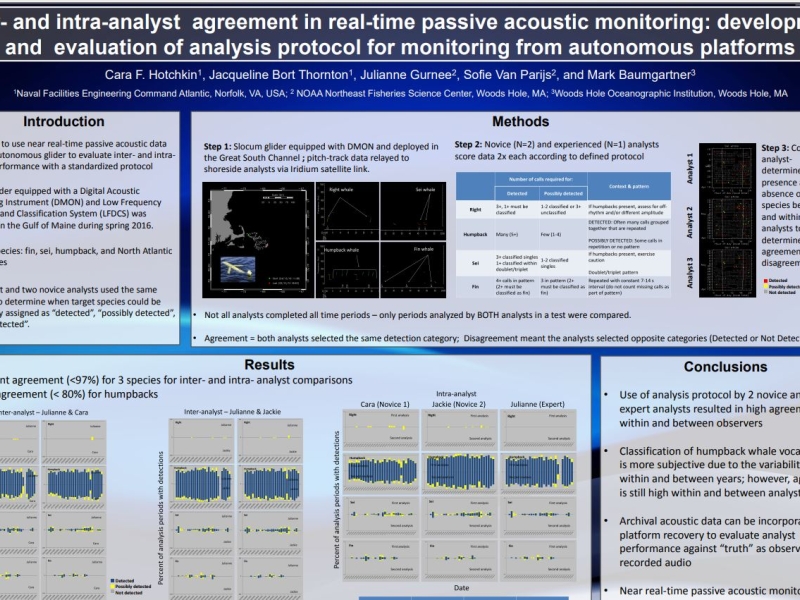
Demonstrate near real-time passive acoustic detection and classification hardware/software systems
Current
Mid-Atlantic Nearshore & Mid-shelf Baleen Whale Monitoring
Project Objectives
Assess occurrence, habitat use, and baseline behavior of baleen whales in the mid-Atlantic region
Complete
North Atlantic Right Whale Monitoring in the Southeast Calving Area
Project Objectives
Assess behavior of right whales in coastal waters of the Southeast calving grounds, including rates of travel of individuals, dive behavior, and rates of sound production
Current
North Atlantic Right Whale Monitoring, Conservation, and Protection
Project Objectives
Assess occurrence, habitat use, and behavior of North Atlantic right whales in the mid-Atlantic region
Current
Passive Acoustic Monitoring for Mid-Atlantic Baleen Whales
Project Objectives
Monitor large whale occurrence in the Mid-Atlantic
Complete
Passive Acoustic Monitoring for North Atlantic Right Whales off Cape Hatteras, North Carolina
Project Objectives
Investigate the timing of right whale migration through the Mid-Atlantic region, as well as the relative distance from shore and acoustic behavior of migrating whales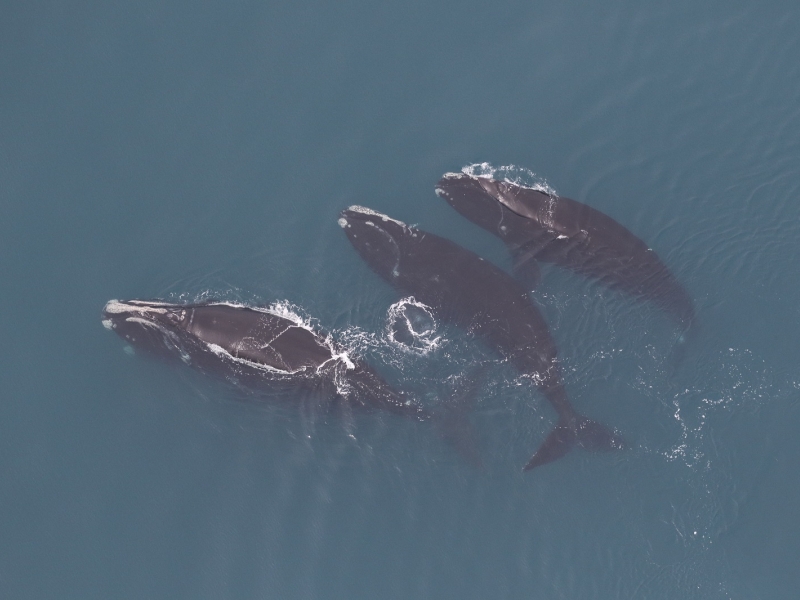
2024-2025 Large Whale Season Summary
March 24, 2025
We have two separate efforts focusing on cetaceans off the coast of Virginia. The first is our Offshore (Outer Continental Shelf) Cetacean Study, which focuses primarily on deep diving odontocetes like sperm whales. The second effort is our Nearshore and Mid-Shelf Baleen Whale Monitoring Project.
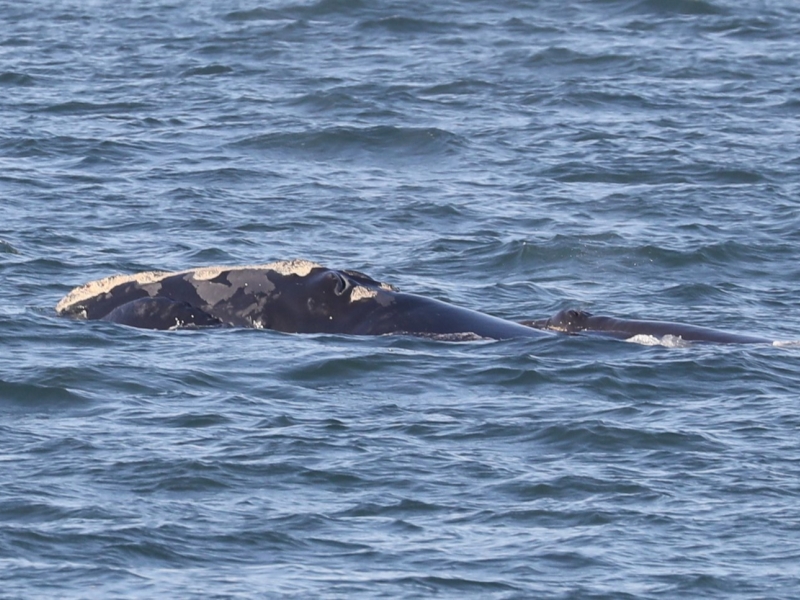
Right whale calf sighted off Virginia!
December 20, 2024
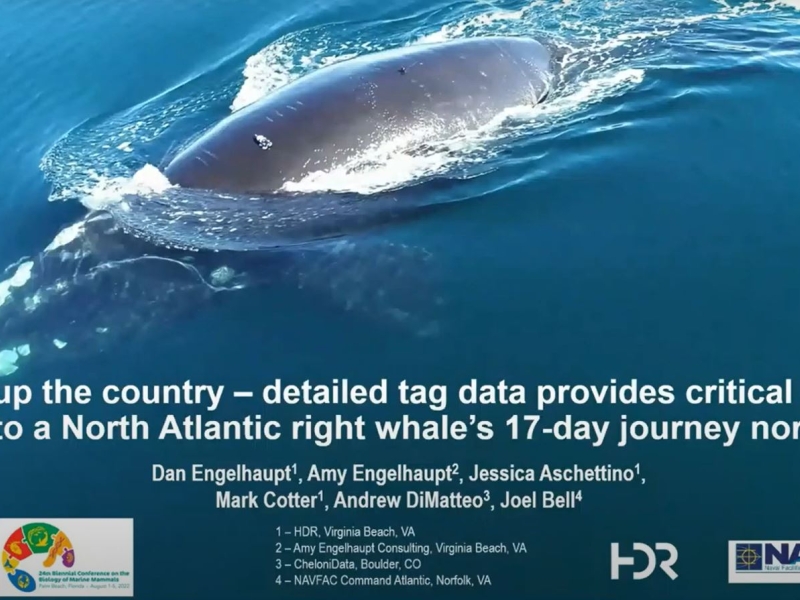
On December 18, 2024, during a survey off Virginia Beach, researchers from HDR Inc. and NAVFAC LANT observed North Atlantic right whale #4540 with her first known calf. This sighting is notable as it's the earliest recorded instance of a newborn right whale calf in Virginia waters, suggesting a possible shift in calving locations northward from the typical areas off Florida and Georgia.
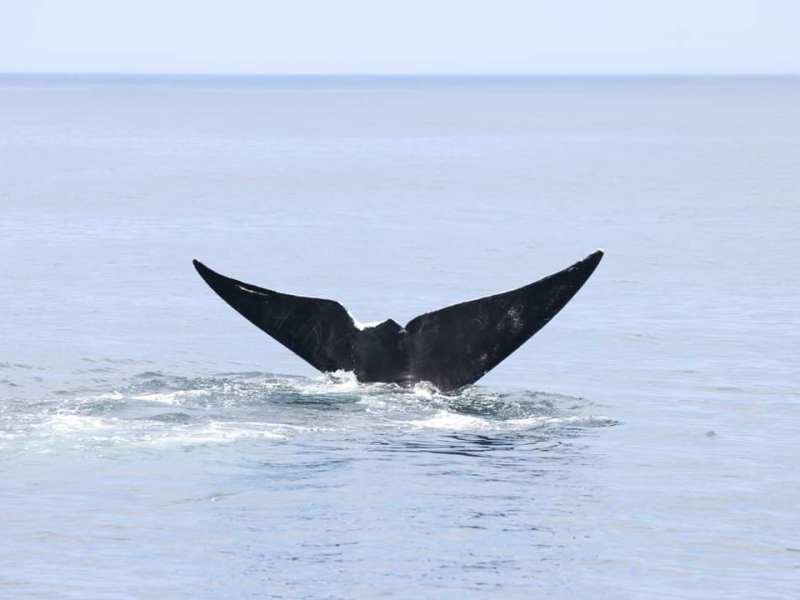
Whales of Summer
June 10, 2024
In the mid-Atlantic, baleen whale sightings typically occur during the colder months, with peak activity in December and January. Sightings of humpback and right whales usually decrease by late March through April. While occasional baleen whale sightings, particularly of fin whales, happen during warmer months, large groups are uncommon as summer approaches. Pelagic surveys during this time often focus on odontocetes like sperm whales and beaked whales.
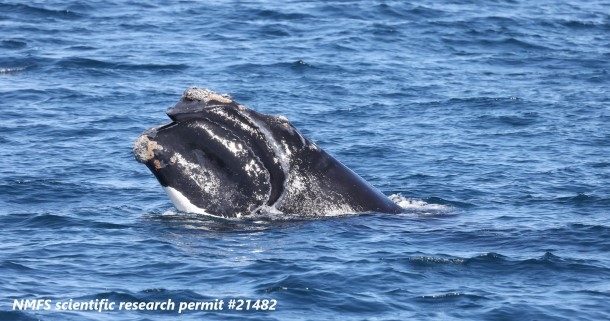
New Right Whale Calf Seen Off Virginia!
June 3, 2024
On Saturday 01 June 2024 during one of our offshore surveys 60 miles southeast of Virginia Beach, we encountered North Atlantic right whale Pico (Catalog #3270) and her calf!
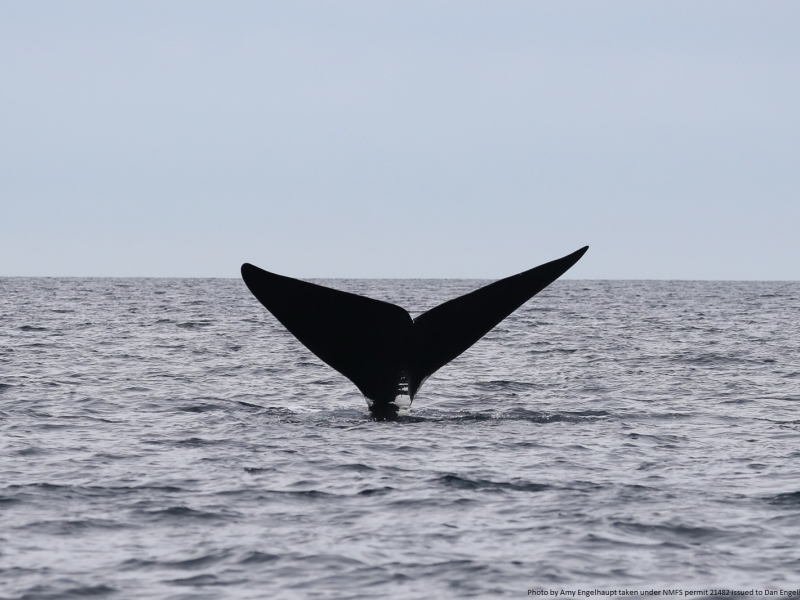
Large Whale Action in the Mid-Atlantic
January 30, 2024
After a relatively slow start to the 2023-2024 large whale season, things are picking up here in the Mid-Atlantic. Last week was the busiest we’ve had so far this season for several of our projects as well as adjacent colleagues.
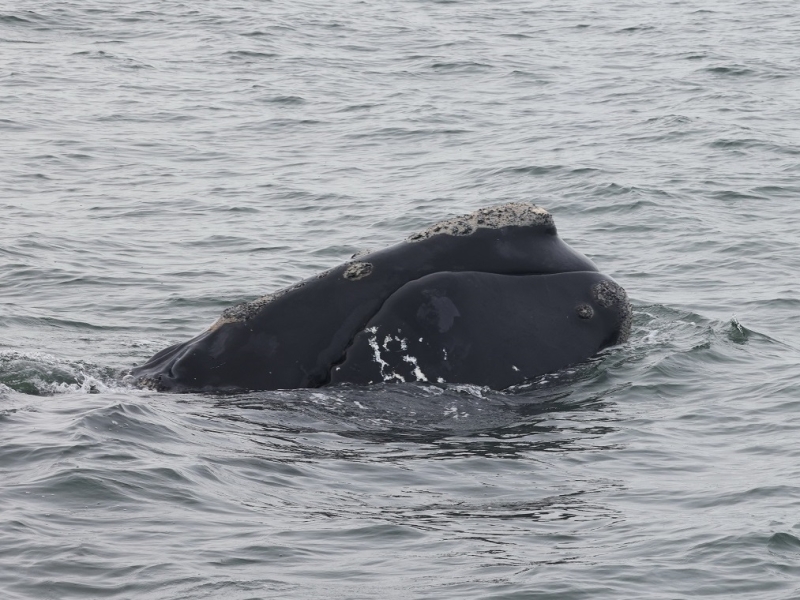
It’s Whale Season in the Mid-Atlantic!
November 20, 2023
Baleen whale season has started in the mid-Atlantic and we have several projects in the region studying their occurrence and behavior.
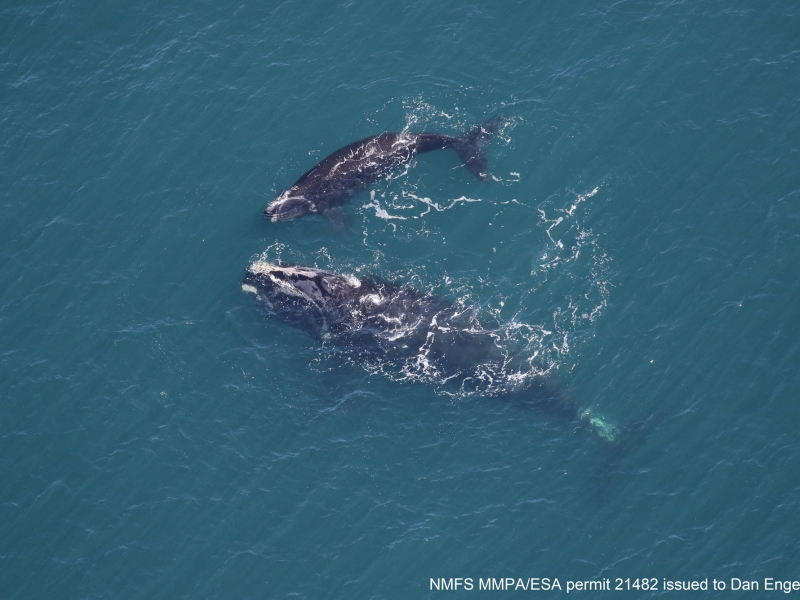
Coming full circle – right whale mom returns with calf
March 15, 2023
Previously CATS tagged Right whale "Smoke" is sighted again in VA with a calf.
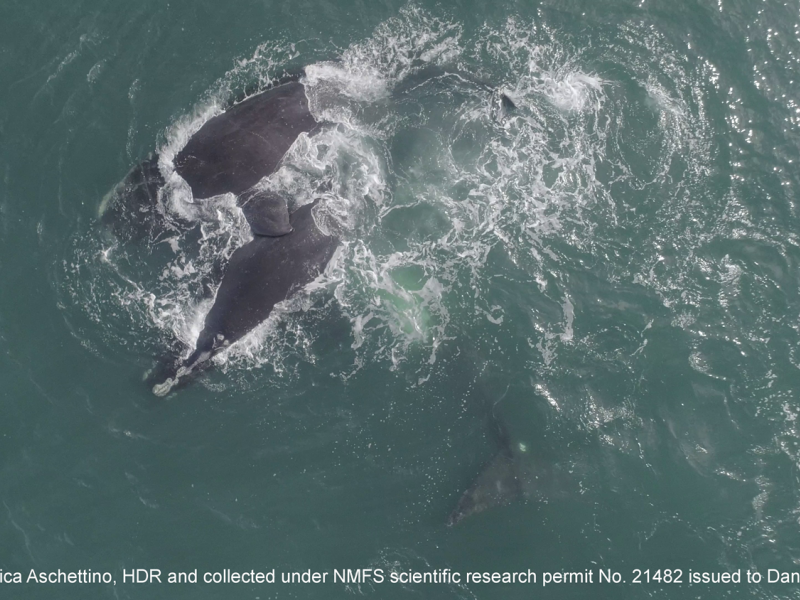
Right Whale Party in the Mid-Atlantic
February 4, 2023
A Surface Active Group of North Atlantic right whales off the coast of Virginia.
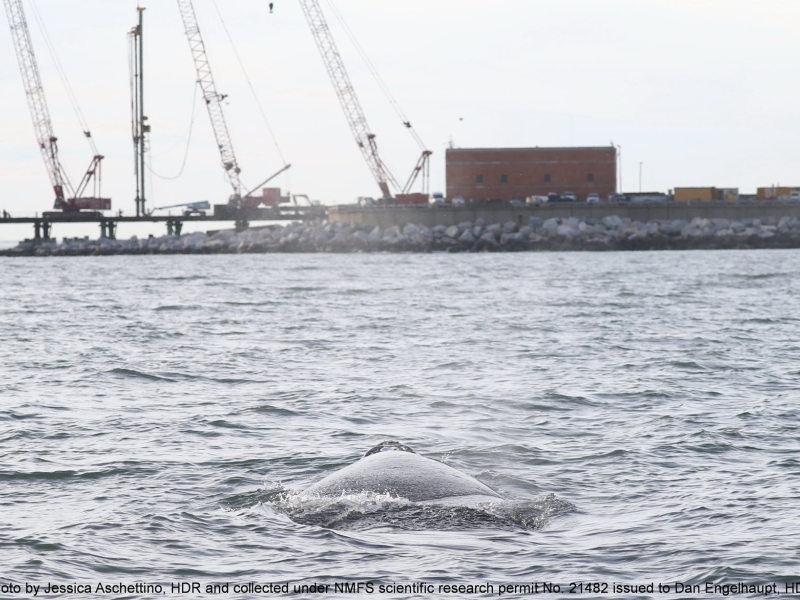
An Urban Whale
February 3, 2023
A juvenile North Atlantic right whale finds itself in a busy area.
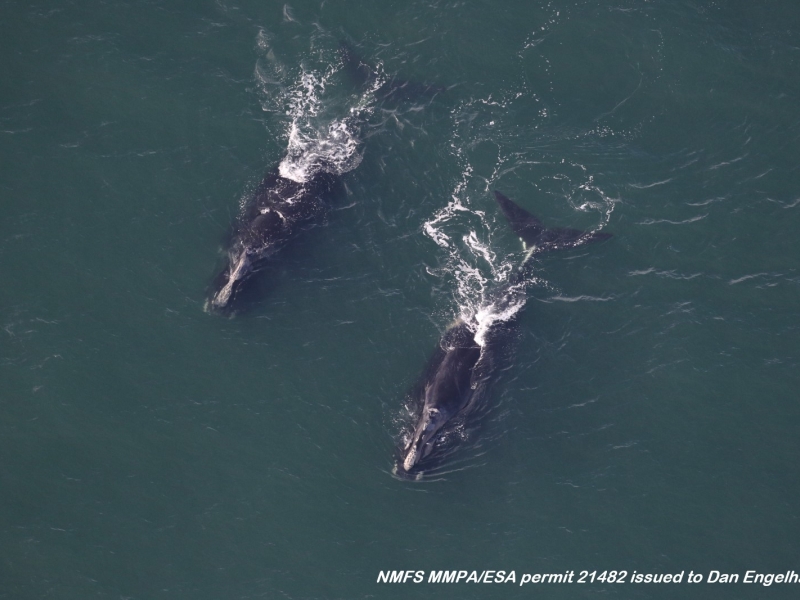
Right whales are on the move!
November 23, 2022
Two female right whales were sighted off Virginia during their southbound migration.
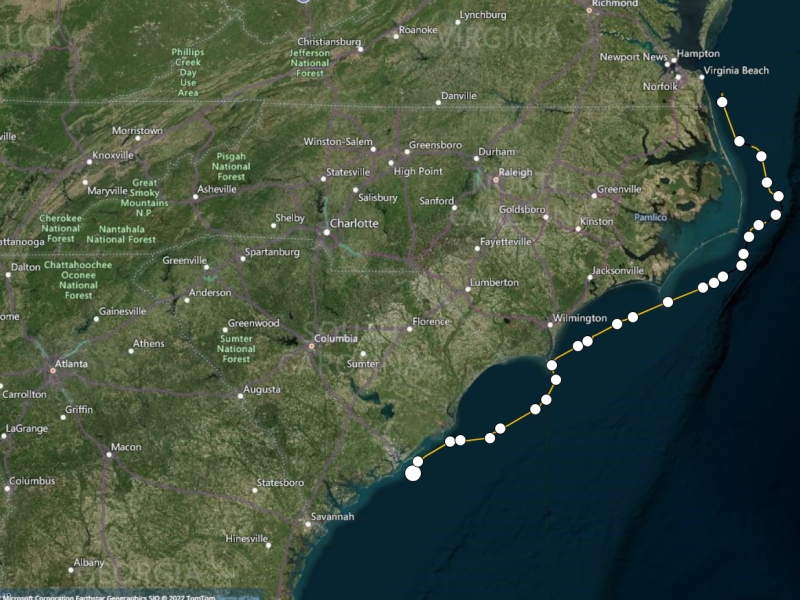
NARW tagged off VA Beach!
March 2, 2022
A yearling right whale was tagged off Virginia.
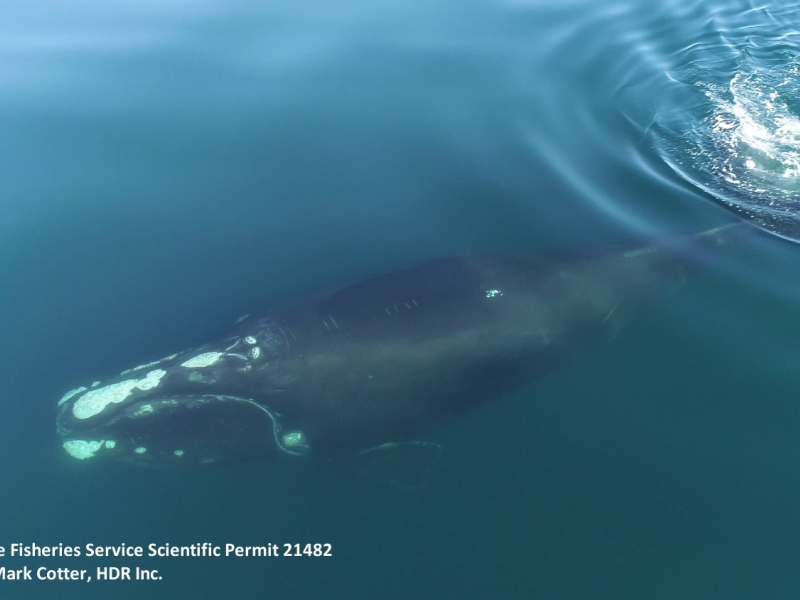
Tracking an endangered North Atlantic right whale
March 15, 2021
A yearling right whale was tagged off the coast of VA and tracked for 12 days.
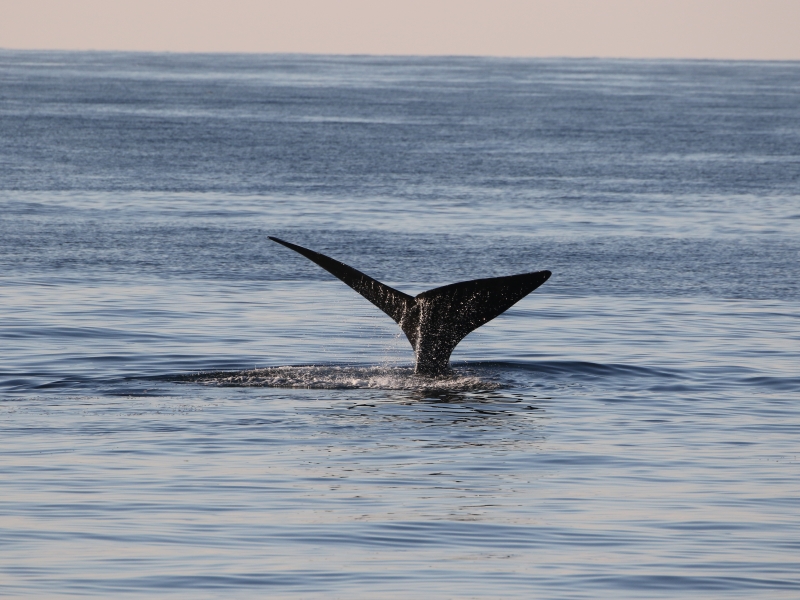
Fantastic video of an encounter with North Atlantic right whales off the coast of Virginia Beach
January 27, 2021
Footage of three right whales off Virginia.
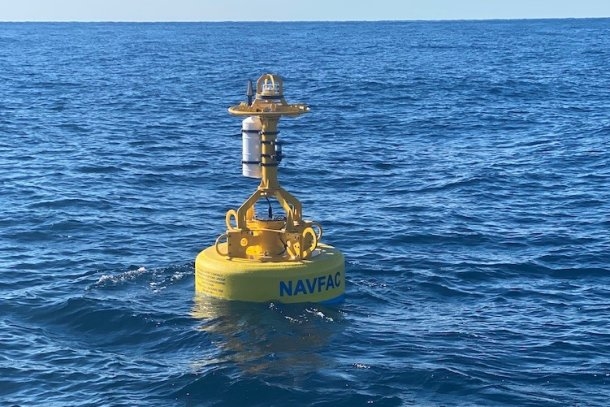
New acoustic monitoring buoy helps researchers study and protect North Atlantic Right Whales
January 19, 2021
A new buoy to listen for protected whales.
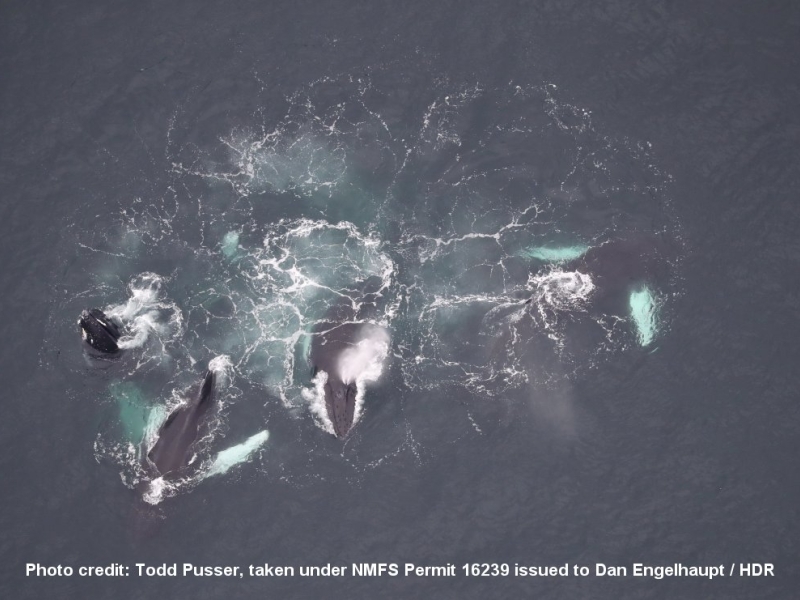
Blue whales and sei whales and right whales - OH MY!!!
April 18, 2018
A spring aggregation of endangered whales offshore.
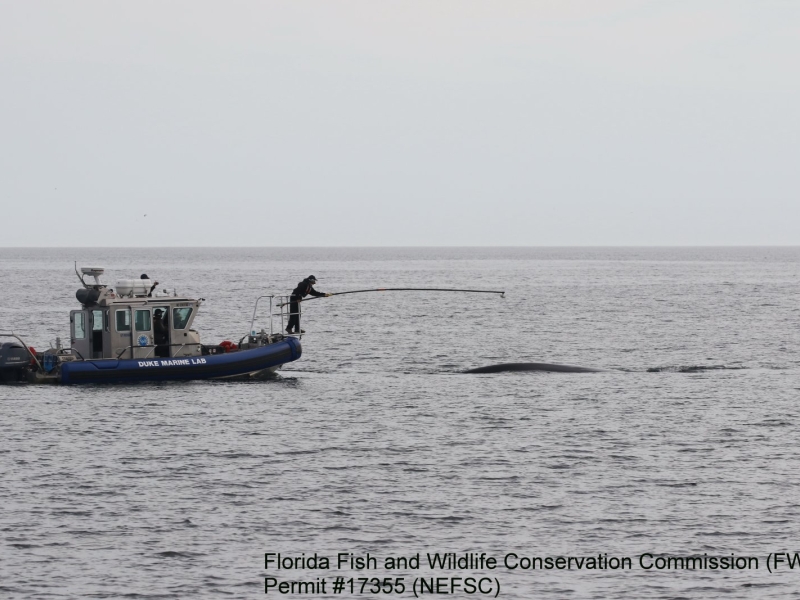
Tagging North Atlantic Right Whales
May 9, 2016
Southeast US tagging project has successful season.
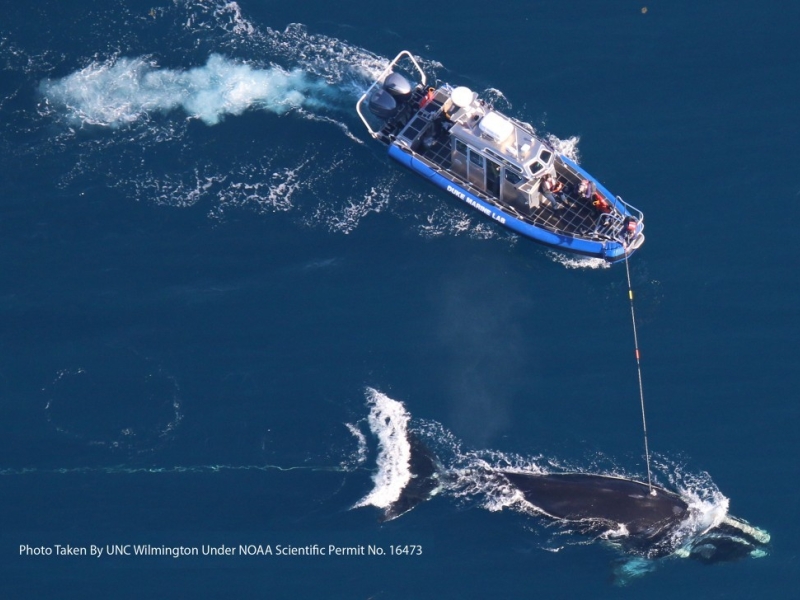
North Atlantic Right Whale Disentanglement
March 3, 2014
Our team provided assistance to a disentanglement effort.
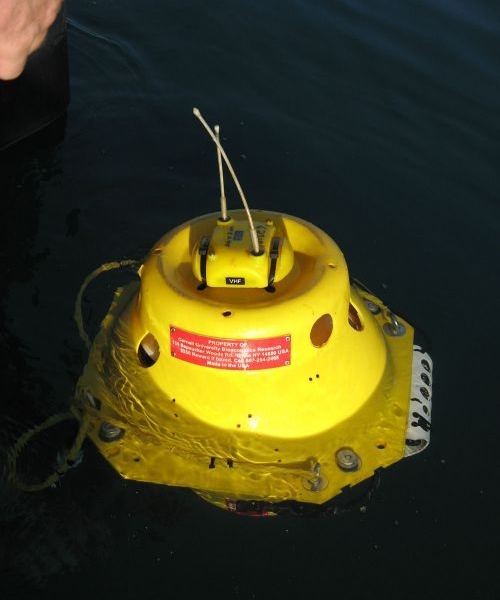
Passive acoustic monitoring for right whales off Cape Hatteras
October 21, 2013
MARUs off NC